What Rodents Actually Damage
Not a horror story — a breakdown of the four repair categories, why each one costs what it does, and what to cover.
Wiring Harnesses — the Expensive One
This is the damage category that turns a nuisance into a bill. Modern insulation is soft, the right diameter to gnaw, and it runs everywhere — which makes a harness close to ideal from a rodent's point of view and close to worst-case from yours.
The cost is not the wire. A splice costs almost nothing. The cost is a technician tracing an intermittent fault through a loom that runs behind a wall, above a ceiling, or through a slide, on a unit that has to be on a lift while they do it. And partial damage is worse than clean damage: a conductor chewed halfway through works until it does not, which means diagnosis before repair.
Chassis harnesses, house 12V, slide motor leads, sensor runs, and brake and marker light circuits on towables are all in scope.
Spec: Apply Repel Gel with deliberate build at every point a harness passes through the floor or runs exposed along a frame member. These are the highest-priority zones on the whole underbody. Request the current TDS for film build.
Belly Pan Insulation — the One You Cannot Clean
The cavity between the floor and the belly pan is, from a rodent's perspective, purpose-built habitat: enclosed, insulated, dark, with heat tape and plumbing running through it and no traffic for six months.
The chewing itself is almost secondary. The real problem is contamination — nesting material, urine, and droppings worked into batting you cannot reach without dropping the pan. That is where the smell comes from, and it is why "we cleaned it out" is rarely the end of it. Proper remediation means opening the pan, removing insulation, treating, and reinsulating: a labor-heavy job on a large unit.
Wet, contaminated insulation also stops insulating and starts holding moisture against the floor structure, which is a slower and more expensive story.
Spec: Full-coverage Repel Gel across the belly pan underside, with extra attention to the seam and fastener line where the pan meets the frame and to any previously opened or patched section. Request the current TDS for coverage.
Upholstery, Bedding & Soft Goods
Mattress foam, dinette cushions, curtains, headliner fabric, and anything left in a closet are all first-rate nesting material. This is the damage owners actually see first, because it is at eye level when you open the door.
Cushion and mattress replacement on an RV is not cheap, and matching factory fabric on an older unit frequently is not possible — which turns a cushion into a full re-upholstery conversation. The contamination question applies here too: soft goods that have been urinated in generally get replaced rather than cleaned.
Worth pairing the underbody treatment with the obvious interior discipline: nothing edible left aboard, cabinets and drawers emptied, soft goods stored upright or removed on a unit that will sit for a long stretch.
Spec: Repel Gel on the underbody stops the route in. Combine with a full food-source removal and, where practical, remove soft goods entirely on multi-season storage. Request the current TDS for underbody coverage.
Ducting, Plumbing & Appliances
Furnace ducting is flexible, insulated, and connects every room in the unit — an excellent highway. Owners find it packed with nesting material and shredded from the inside, which means the first heat cycle in spring distributes the smell through the entire coach.
Appliance bays are worse in one specific way: absorption fridge and water heater compartments are vented by design, sheltered by design, and warm when running. Nesting material behind a fridge is both a repair and a genuine hazard around a burner assembly.
PEX and flexible drain lines get chewed too, and unlike wiring the failure announces itself immediately — usually with water on the floor at spring de-winterization, right after you pressurized the system and walked away.
Spec: Build Repel Gel at every plumbing and tank penetration and around generator, furnace, and water heater bay floors where they open to the underbody. Request the current TDS for film build at penetrations.
The Storage Lot Reality
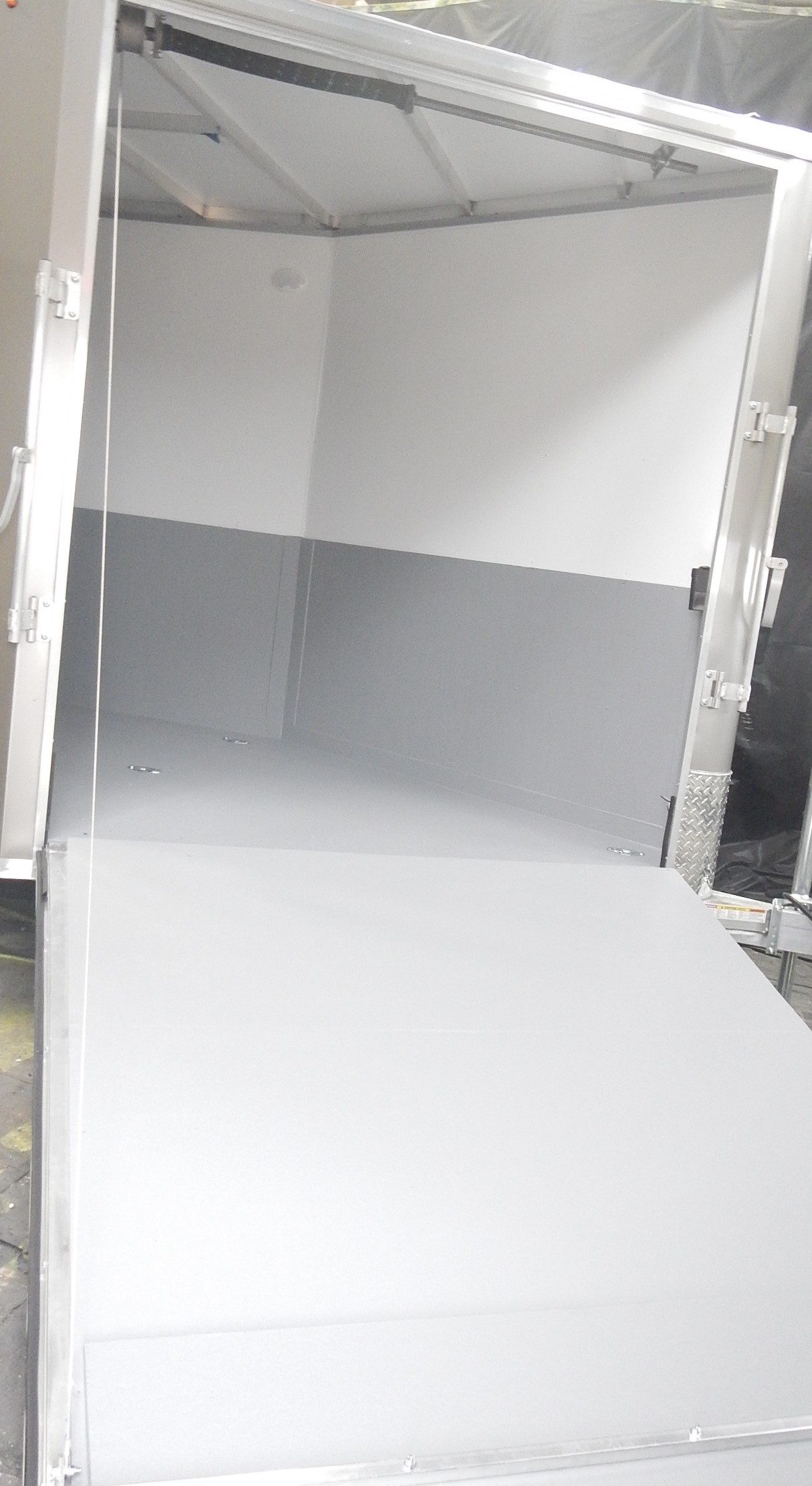
If your unit lives in a commercial storage lot, some of this is out of your hands. Lots are often gravel or field-edge, surrounded by exactly the habitat that produces the population, and the unit two spaces over may have an open belly pan and a bag of dog food in it.
Rodents do not respect space boundaries. One untreated unit supports traffic across an entire row, which is why individual owners in a shared lot see the problem recur even after a thorough cleanout.
For facility operators the argument runs the other way: treatment at intake is add-on revenue per space and it measurably reduces the spring complaint volume that drives non-renewals. It is one of the few upsells that costs the customer money and makes them happier.
Spec: Repel Gel applied at intake, logged per unit with date, refreshed on the storage cycle. Facilities: ask us to help build the per-unit cost so you can price the add-on with a real margin.
The Dealer's Version of This Bill
Everything above assumes an owner discovers the damage. Change the owner to a dealership and the same repair gets more expensive, because of when and to whom it surfaces.
A unit that sat on the lot through a winter is inventory you still own. If a harness was chewed in January, you find out on the delivery walk-through in April, in front of the customer, on the day the sale was supposed to close. Now it is a warranty-adjacent repair, a delayed delivery, and a first impression you do not get to re-take. Units that come back after handover are worse.
A service department has the same exposure from the other direction and the same opportunity. October and November are already sold — winterization, roof and seal work, storage prep. An underbody treatment is one more line on a ticket the customer already booked, using prep your techs already perform, and it is one of the rare upsells a customer thanks you for the following spring.
None of it requires equipment you do not have. Because the gel can be brushed as well as sprayed, a porter can work through units out in the lot while the bays stay full.
Spec: Repel Gel / Mint Repel applied on receipt for inventory expected to sit, and at PDI as a pre-delivery value item. Ask us to help build the per-unit cost so the service line prices with a real margin.
Everything Else That Gets Stored and Forgotten
- Boats on trailers — shrink-wrapped and untouched from October, with upholstery and wiring inside
- Horse and livestock trailers — feed residue makes them the most attractive thing on most properties
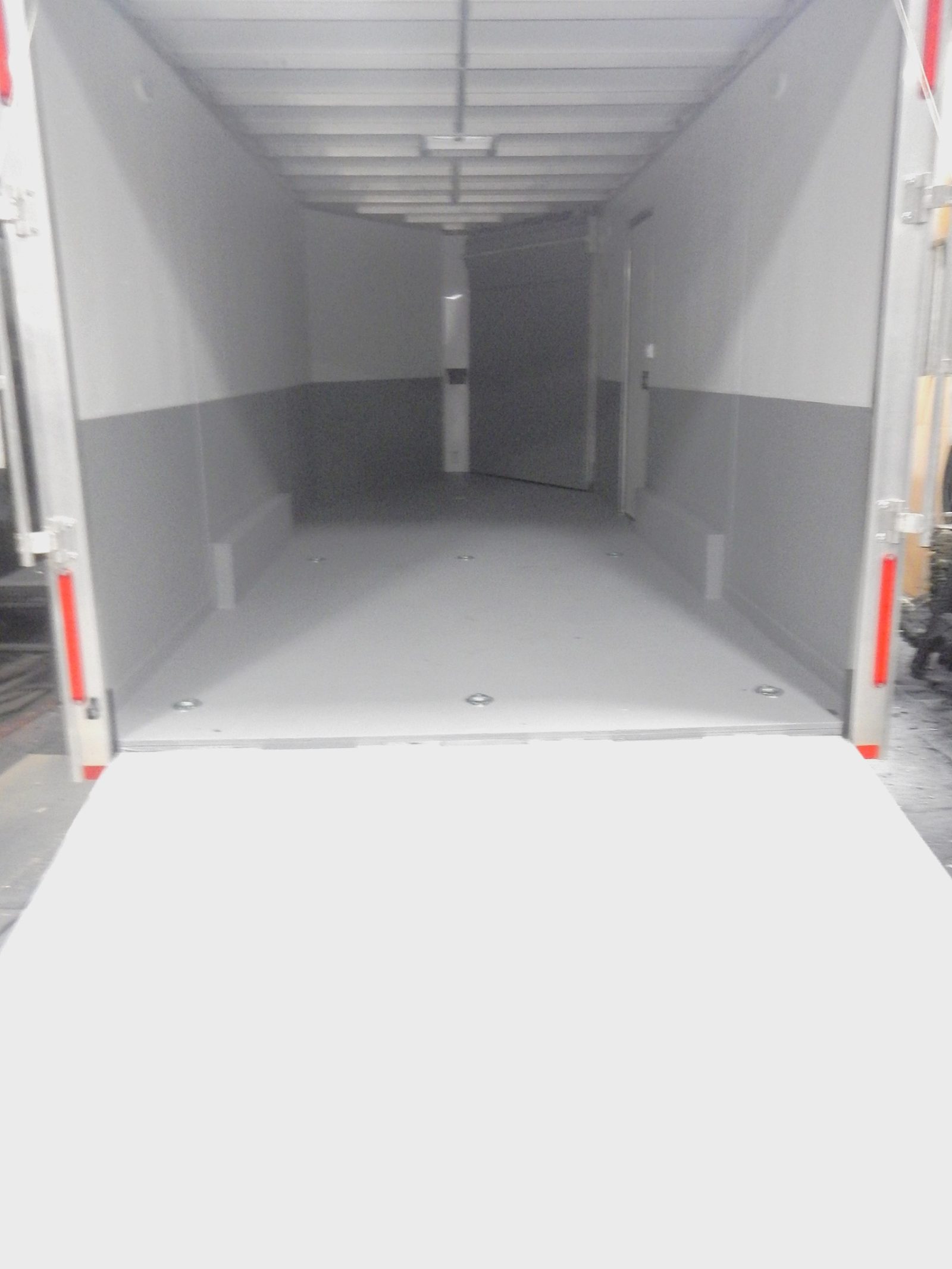
- Enclosed cargo trailers — a shed on wheels, usually parked against a treeline
- Classic and collector cars — barn and garage storage, where carpet and original wiring are irreplaceable
- Farm equipment — cab wiring on machinery parked between seasons near a grain source
- Food trucks and vending trailers — residual food scent between events, in a unit full of soft goods and wiring
- Jobsite and mobile office trailers — months in one spot at the edge of a site
- Mobile and manufactured homes — the underbelly membrane and crawl space, where nobody looks until a smell comes out of a floor register in April
- Park models and seasonal cabins — skirted, set down once, and never inspected underneath
- Seasonal municipal fleets — buses and specialty vehicles through summer layup
Dealers, Service Departments & Storage Yards
The repair math is worse on your side of the counter, and so is the timing. Send unit count, typical mix, and your season window — you will get volume pricing, the current technical data sheet, and help building a per-unit cost you can price a service line against.
Get Dealer & Trade PricingGetting Ready for Layup?
Send us the unit and your storage timeline. We will get you material quantity, the data sheet, and pricing before the lot fills up.
Plan Your Storage PrepGet Storage-Season Pricing
Tell us about your project and we will follow up with product details, technical data sheets, and pricing.